Compustar Auto Start Manual: A Comprehensive Guide
This manual details Compustar systems, covering installation, operation, and troubleshooting․ It assists users with remote start, lock/unlock features, and system indicators, ensuring a smooth experience․
Understanding Compustar Systems
Compustar systems represent a leading edge in vehicle security and remote start technology․ These systems are designed to enhance convenience, security, and control over your vehicle, offering a range of features tailored to modern automotive needs․ Understanding the core components and functionalities is crucial for optimal use․
At their heart, Compustar systems utilize a sophisticated radio frequency (RF) or two-way communication protocol to interact with your vehicle․ This allows for remote commands such as starting the engine, locking and unlocking doors, and activating the alarm․ The systems typically consist of a control module, a remote transmitter, and various sensors․ The control module is the brain of the system, interpreting signals from the remote and controlling vehicle functions․
Different Compustar systems cater to varying levels of complexity and features․ Basic systems offer remote start functionality, while more advanced systems include features like smartphone control, GPS tracking, and advanced security options․ Proper understanding of your specific system’s capabilities is key to maximizing its benefits․ Careful review of the system’s documentation and this manual will provide a solid foundation for operation and troubleshooting․
Types of Compustar Systems
Compustar offers a diverse portfolio of systems, categorized by features and communication methods․ The core distinctions lie between one-way, two-way, and smartphone-controlled systems, each catering to different user preferences and budgets․ Understanding these differences is vital when selecting the right system for your vehicle․

One-way systems are the most basic, transmitting signals to the vehicle but not receiving confirmation․ This means you won’t know if the command was successfully executed․ Two-way systems provide confirmation via the remote, displaying status updates like engine running or alarm triggered․ This offers increased peace of mind and control․
Smartphone-controlled systems, like Compustar’s DroneMobile, add another layer of convenience, allowing control via a mobile app․ These systems often include GPS tracking, geofencing, and vehicle health monitoring․ Furthermore, systems are often categorized by range – short, medium, and extended – impacting the distance from which commands can be issued․ Choosing the appropriate type depends on your needs, vehicle type, and desired level of control and security․
Remote Start System Features
Compustar remote start systems boast a comprehensive suite of features designed for convenience, security, and comfort․ Beyond the core remote engine start functionality, many systems offer advanced capabilities enhancing the overall user experience․ These features significantly improve vehicle ownership, especially in extreme weather conditions․
Key features include remote lock and unlock, allowing you to secure or access your vehicle from a distance․ Turbo mode provides a faster warm-up or cool-down period, while extended range systems offer greater control distance․ Many systems also incorporate automatic climate control, activating the HVAC system to pre-condition the cabin․
Advanced features, particularly in two-way and smartphone-controlled systems, include real-time vehicle status updates, alarm notifications, and GPS tracking․ Some systems even offer vehicle health monitoring, alerting you to potential maintenance needs․ Understanding these features allows you to maximize the benefits of your Compustar system and tailor it to your specific requirements, ensuring a comfortable and secure driving experience․

One-Way vs․ Two-Way Systems
Compustar offers both one-way and two-way remote start systems, each catering to different needs and budgets․ Understanding the distinctions between these types is crucial for selecting the right system for your vehicle and lifestyle․ The primary difference lies in communication capabilities and the level of feedback provided to the user․
One-way systems transmit a signal to the vehicle, initiating functions like remote start or lock/unlock․ However, they do not receive confirmation back from the vehicle․ This means you won’t know if the command was successfully executed․ Two-way systems, conversely, establish a bidirectional communication link․
This two-way communication provides real-time feedback, confirming successful operation and alerting you to any alarms triggered․ They often feature an LCD screen displaying vehicle status, such as temperature or security alerts․ While generally more expensive, two-way systems offer enhanced peace of mind and control․ Choosing between the two depends on your desired level of security, convenience, and budget considerations․

Installation & Setup
Proper installation is vital for optimal performance․ Professional installation ensures correct wiring and programming, maximizing system functionality and vehicle compatibility for a seamless experience․
Professional Installation Recommended

While some Compustar systems are designed with DIY installation in mind, professional installation is strongly recommended for most users․ This ensures a secure and reliable connection to your vehicle’s complex electrical system, minimizing the risk of damage or malfunction․ A certified installer possesses the necessary expertise, tools, and knowledge of vehicle-specific wiring diagrams to perform the installation correctly․
Incorrect wiring can lead to a variety of issues, including blown fuses, damaged modules, and even potential safety hazards․ Professionals are trained to identify and avoid these pitfalls, guaranteeing a safe and functional installation․ They also understand the intricacies of bypass module integration, which is often required to prevent security system conflicts․
Furthermore, a professional installation often includes thorough testing and programming to ensure optimal performance and compatibility with your vehicle․ This can save you valuable time and frustration in the long run․ Choosing a reputable installer provides peace of mind and maximizes the benefits of your Compustar auto start system․
Wiring Diagrams & Vehicle Compatibility
Accurate wiring diagrams are crucial for a successful Compustar installation․ Compustar provides vehicle-specific wiring diagrams through its online database and authorized dealer network․ These diagrams detail the precise location and function of each wire required for connection, ensuring compatibility and preventing damage to your vehicle’s electrical system․
Vehicle compatibility varies depending on the Compustar system model and your vehicle’s year, make, and model․ Before purchasing a system, it’s essential to verify compatibility using Compustar’s online vehicle search tool or by consulting with a professional installer․ This tool confirms whether a specific system will function correctly with your vehicle’s existing features, such as factory security systems and immobilizers․
Understanding the wiring diagram involves identifying key wires like ignition, starter, brake, and accessory power․ Proper connection of these wires is vital for the system’s operation․ Always double-check connections and use appropriate wiring connectors for a secure and reliable installation․ Incorrect wiring can lead to system malfunction or vehicle damage․
Programming the Remote
Programming your Compustar remote is essential for establishing communication with the vehicle’s control module․ The programming process typically involves a sequence of key turns and button presses, outlined in your system’s specific manual․ It’s crucial to follow these steps precisely to ensure successful pairing․
Most Compustar systems offer multiple programming methods, including automatic programming and manual programming․ Automatic programming often requires a specific sequence of ignition cycles, while manual programming involves entering a unique security code․ Refer to your manual for the correct method for your system․
If you encounter difficulties during programming, ensure the vehicle’s battery is fully charged and that there are no other active remote start systems interfering․ Some systems require a bypass module to be properly installed and functioning before remote programming can occur․ If problems persist, consult a Compustar authorized dealer for assistance․ Incorrect programming can render the remote unusable․
Bypass Module Integration
A bypass module is often a necessary component for modern vehicle compatibility with Compustar remote start systems․ These modules circumvent the vehicle’s factory security system, allowing the remote start to function without disabling essential safety features like the immobilizer․ Proper integration is paramount for reliable operation․
The bypass module connects to the vehicle’s data network, communicating with the ECU to authenticate the remote start request․ Selecting the correct bypass module for your specific vehicle make and model is critical; incorrect modules can cause system malfunctions or damage․ Professional installation is highly recommended to ensure correct wiring and configuration․
During installation, the bypass module must be programmed to recognize your vehicle’s security codes․ This process typically involves using a programming tool and following the module’s instructions․ A properly installed and programmed bypass module enables seamless remote start functionality while maintaining vehicle security․ Failure to integrate a bypass module correctly will prevent the system from operating․
Operating Your Compustar System
Effectively utilize your Compustar system with this guide․ Learn remote start, lock/unlock, turbo mode, and indicator functions for optimal performance and convenience․
Basic Remote Start Operation
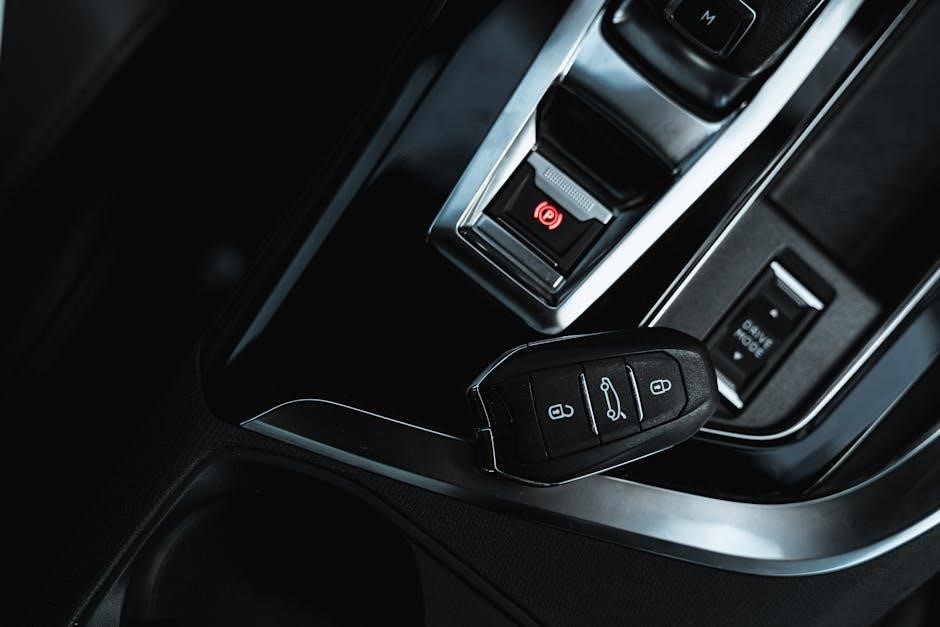
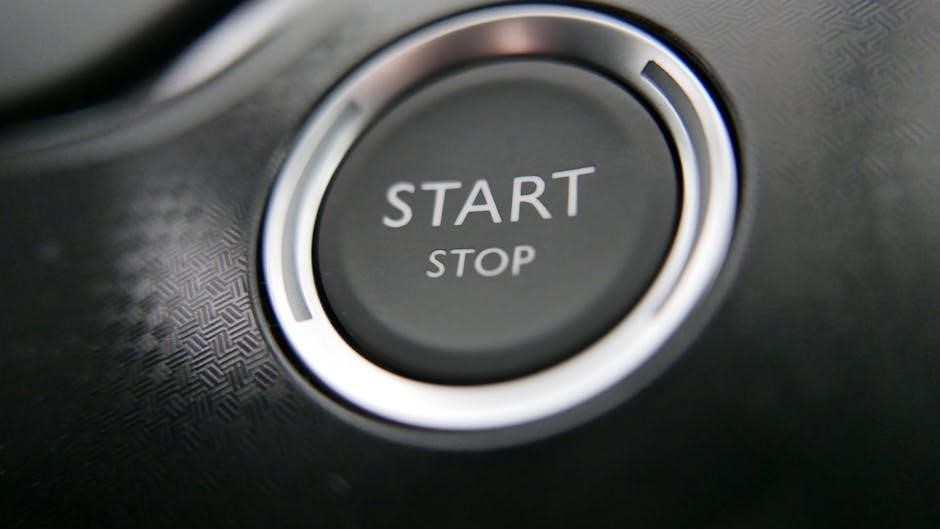
Initiating your vehicle’s remote start with your Compustar system is a straightforward process, designed for convenience and ease of use․ First, ensure your vehicle is parked in a safe location and that the hood is securely closed․ Press the designated remote start button – typically marked with a power symbol or a car icon – on your Compustar remote․
The system will acknowledge the command, and your vehicle should begin to start․ You may hear a click as the system engages, followed by the engine turning over․ If the vehicle doesn’t start on the first attempt, repeat the process, ensuring no other systems are interfering․
Important considerations: The parking brake must be engaged for the remote start to function․ Some systems require a momentary press of the brake pedal after the remote start sequence is initiated․ The system will automatically shut off after a pre-programmed runtime, typically 15-30 minutes, to prevent fuel waste and ensure safety․ Familiarize yourself with your specific system’s runtime settings․ Always remain aware of your surroundings when using remote start, and never start a vehicle in an enclosed space․
Confirm operation: Verify the vehicle is running by observing the headlights or listening for the engine․ The system’s LED indicator will also confirm successful operation․
Remote Lock/Unlock Functions
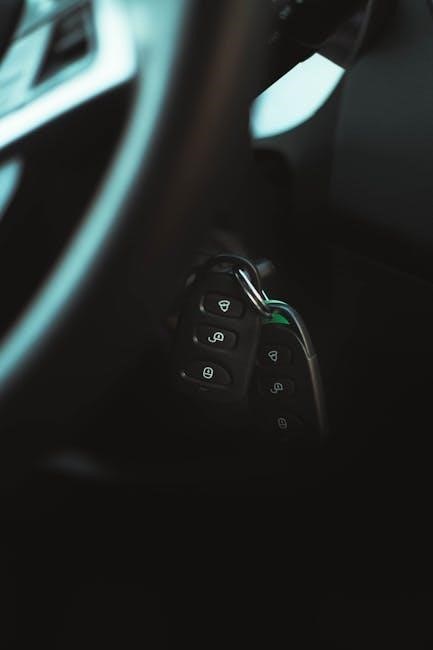
Your Compustar system provides convenient remote lock and unlock capabilities, enhancing vehicle security and access․ To lock your vehicle remotely, press the lock button on your remote transmitter – usually depicted with a closed padlock symbol․ You should hear the door locks engage, and the vehicle’s security system will arm, if equipped․ The integrated LED indicator on the vehicle will typically flash to confirm locking․
To unlock your vehicle, press the unlock button – often symbolized by an open padlock․ The doors will disengage, and the security system will disarm․ Some systems offer a ‘double-unlock’ feature, requiring a second press to unlock all doors, including the trunk․
Important notes: Ensure you have a clear line of sight to your vehicle for optimal range․ If the system doesn’t respond, try moving closer or pressing the button again․ Certain models feature ‘instant unlock,’ immediately unlocking the driver’s door upon pressing the unlock button․ Be mindful of your surroundings when unlocking remotely, and always visually confirm the area is safe before approaching your vehicle․ Familiarize yourself with any specific programming options related to lock/unlock behavior․
Turbo Mode & Extended Range
Compustar systems often incorporate “Turbo Mode” and extended range features to optimize performance in challenging conditions or over greater distances; Turbo Mode, when activated, temporarily increases the remote’s transmission power, improving responsiveness, particularly in areas with potential interference – like urban environments or near radio towers․ This ensures commands are reliably received by the vehicle․
Extended range functionality utilizes advanced antenna technology and signal processing to maximize the communication distance between the remote and the vehicle․ This is especially beneficial for users who park far from their vehicle or in areas with obstructions․ Activation methods vary; some systems automatically engage extended range when the remote is outside a standard operating radius, while others require manual activation through a specific button combination․
Important considerations: Turbo Mode may reduce remote battery life․ Extended range performance is affected by environmental factors․ Always refer to your specific model’s documentation for detailed instructions on activating and utilizing these features․ Regularly check your remote’s battery level to ensure optimal functionality;
Understanding System Indicators (LEDs)
Compustar systems utilize Light Emitting Diodes (LEDs) to communicate system status and operational modes․ These indicators, typically located within the vehicle and sometimes on the remote, provide crucial feedback to the user․ A rapidly flashing LED often confirms successful remote start activation, while a slow, intermittent flash might indicate the system is in valet mode, disabling remote functions․
Different color LEDs signify different states․ A solid green light generally means the system is armed and functioning correctly․ Red flashes often signal an alarm trigger or a system malfunction requiring attention․ Blue LEDs are frequently used to indicate Bluetooth connectivity or specific feature activation․ The owner’s manual details the specific LED patterns for each model․
Decoding LED signals is vital for troubleshooting․ If the LED doesn’t respond to remote commands, check the vehicle’s battery and the system’s fuse․ Consult the manual for specific error codes represented by unique flash sequences․ Ignoring LED indicators can lead to misdiagnosis and unnecessary service calls․
Troubleshooting Common Issues
This section addresses frequent problems like unresponsive systems, limited remote range, and start failures․ It provides guidance for diagnosing and resolving typical Compustar issues quickly․
System Not Responding
If your Compustar system fails to respond to remote commands, several factors could be at play․ First, verify the remote’s battery; a weak battery is a common culprit․ Try replacing it with a fresh one․ Next, ensure there are no obstructions between the remote and the vehicle․ Metal objects or dense materials can interfere with the signal․
Check the vehicle’s battery voltage․ A significantly low voltage can prevent the system from operating correctly․ Confirm the system’s main relay is functioning – listen for a click when attempting to start the vehicle․ If no click is heard, investigate the relay and its wiring․
Inspect the system’s fuse․ A blown fuse will immediately disable the system․ Refer to your vehicle’s owner’s manual or the Compustar installation guide for the fuse location․ Finally, consider potential interference from other electronic devices․ In rare cases, strong radio frequency signals can disrupt the system’s communication․ If problems persist, professional diagnosis is recommended․
Remote Range Problems
Experiencing reduced remote start range with your Compustar system is a common concern․ Several factors can contribute to this issue․ Firstly, environmental conditions play a role; buildings, trees, and even weather can obstruct the radio frequency (RF) signal․ Ensure a clear line of sight between the remote and your vehicle whenever possible․
The remote’s antenna is crucial․ Verify it’s fully extended and undamaged․ A bent or broken antenna significantly reduces range․ Also, check for interference from other electronic devices operating on similar frequencies․ Large metal structures can also reflect or absorb the RF signal, diminishing its reach․
If you have a two-way system, confirm the remote is properly paired with the vehicle․ A weak or lost pairing can limit the range․ Consider the remote’s battery level; a low battery can reduce transmission power․ Finally, if the problem persists, a professional assessment of the antenna and system wiring is advisable to identify any potential issues․
Vehicle Not Starting
If your vehicle fails to start with the Compustar remote start system, several potential causes need investigation․ First, ensure the vehicle’s parking brake is firmly engaged – a safety feature prevents starting if it isn’t․ Verify the system isn’t in valet mode, which disables remote start functionality․ Check that all safety interlocks are met; the hood and doors must be securely closed․
A low vehicle battery can prevent starting, especially in cold weather․ Consider a battery test or jump start․ The Compustar system requires sufficient voltage to operate․ Inspect the wiring connections related to the starter, ignition, and fuel pump; loose or corroded connections can interrupt the starting process․
If a bypass module is installed, confirm it’s functioning correctly․ A faulty module can prevent the system from recognizing the vehicle’s security system․ Finally, consult the vehicle’s owner’s manual for any specific starting requirements or limitations․ If issues persist, professional diagnosis is recommended․
Alarm System Malfunctions
Compustar systems integrate with your vehicle’s security, but malfunctions can occur․ Frequent false alarms – triggered without apparent reason – indicate a potential sensor issue (door, hood, or trunk)․ Check sensor sensitivity settings within the Compustar programming, if adjustable․ A constantly sounding alarm, even with the remote, suggests a deeper problem with the system or vehicle’s security․
If the alarm doesn’t activate when triggered, investigate the siren and its wiring․ A disconnected or faulty siren won’t provide audible warning․ Ensure the shock sensor, if equipped, is properly mounted and functioning․ Interference from other electronic devices can sometimes cause alarm issues; try relocating the antenna․
A flashing security LED, even with the ignition off, might indicate a system fault․ Refer to the system’s programming manual for LED code interpretations․ If you suspect a major malfunction, disconnect the Compustar system’s power supply temporarily and consult a professional installer for diagnosis and repair․