The Lion, the Witch and the Wardrobe PDF: A Comprehensive Guide
The digital edition of The Lion, the Witch and the Wardrobe, widely available as a PDF, offers convenient access to this classic tale.
It’s DRM-free, ensuring easy reading, and features adjustable fonts for enhanced readability, making it a popular choice for fans worldwide.
Availability of the PDF Version
The PDF version of The Lion, the Witch and the Wardrobe enjoys remarkably widespread availability across the internet, catering to a diverse readership seeking convenient access to this beloved fantasy novel. Numerous websites offer free downloads, making the story readily accessible to individuals globally.
Project Gutenberg Canada, for instance, provides a digitized version of the book, meticulously transcribed by Al Haines, specifically intended for free distribution. This highlights the commitment to open access and the preservation of literary classics in digital formats.
The ease with which one can obtain the PDF is further enhanced by its DRM-free nature. This absence of Digital Rights Management restrictions allows readers to enjoy the book on a variety of devices and platforms without limitations. Readers can seamlessly transfer the file, adjust font sizes, and utilize bookmarking features for a personalized reading experience.
The proliferation of the PDF format underscores the enduring popularity of C.S. Lewis’s work and the desire to share this enchanting tale with as wide an audience as possible. It’s a testament to the book’s timeless appeal and the power of digital technology to democratize access to literature.
Free Download Sources
The internet provides several avenues for acquiring a free PDF copy of The Lion, the Witch and the Wardrobe. Project Gutenberg Canada stands out as a reliable source, offering a digitized version meticulously prepared by Al Haines, explicitly for free distribution. This version is based on a Macmillan edition and ensures accessibility for a broad audience.
Beyond Project Gutenberg, a simple online search reveals numerous websites hosting the PDF. However, caution is advised when downloading from unfamiliar sources to ensure file safety and authenticity. Many online libraries and ebook repositories also list the title, often providing direct download links or access through their platforms.
It’s important to note that these sources generally offer the book under the understanding of fair use and educational purposes. The DRM-free nature of the PDF facilitates its widespread sharing, contributing to the book’s continued accessibility. Readers can easily locate and enjoy this classic tale without financial barriers, fostering a love for literature.
Always verify the source and scan downloaded files with antivirus software to maintain a secure digital experience while enjoying this timeless story.
Legality and Copyright Considerations
The availability of a free PDF of The Lion, the Witch and the Wardrobe raises important questions regarding copyright and legality. While C;S. Lewis’s work is undeniably protected by copyright, the age of the original publication (1950) and the existence of public domain editions play a crucial role.
Project Gutenberg Canada’s offering is presented with a clear disclaimer: “this document is for free distribution only,” suggesting a belief in fair use principles. However, downloading from unofficial sources carries inherent risks. Websites offering the PDF without proper authorization may be infringing on copyright laws.
Generally, accessing a PDF for personal, educational, or research purposes falls under fair use. However, distributing the file further or using it for commercial gain is a violation of copyright. It’s essential to respect the author’s and publisher’s rights, even when accessing free digital copies.
Supporting authors by purchasing legitimate copies remains the most ethical approach. When utilizing free PDF versions, ensure the source is reputable and aligns with legal distribution practices.
Understanding the Story
The narrative follows the Pevensie children’s journey into Narnia through a magical wardrobe, facing the White Witch’s eternal winter and awaiting Aslan’s triumphant return.
Plot Summary: The Pevensie Children in Narnia
The story begins with the four Pevensie siblings – Peter, Susan, Edmund, and Lucy – evacuated from London during World War II to the countryside estate of Professor Kirke. While exploring the Professor’s house, Lucy discovers a magical wardrobe that serves as a portal to the enchanting land of Narnia.
Narnia is a realm gripped in perpetual winter by the evil White Witch, Jadis, who has cast a spell preventing spring from returning. Lucy initially encounters Mr. Tumnus, a faun, who reveals the Witch’s oppressive rule. Upon returning, Lucy attempts to convince her siblings of Narnia’s existence, but they are skeptical until they follow her through the wardrobe themselves.
Edmund, lured by the Witch’s promises of power and Turkish Delight, secretly allies with her, betraying his siblings. The children learn of a prophecy stating that when two Sons of Adam and two Daughters of Eve sit on the thrones of Cair Paravel, the Witch’s reign will end. Aslan, the Great Lion and rightful ruler of Narnia, returns to break the Witch’s power.
A fierce battle ensues between Aslan’s forces and the White Witch’s army. Edmund is ultimately redeemed through Aslan’s sacrifice, and the Pevensie children, fulfilling the prophecy, become Kings and Queens of Narnia, ushering in a golden age. They rule justly for many years before mysteriously returning through the wardrobe, finding themselves children once more in the Professor’s house.
Key Characters: Aslan, the White Witch, and the Pevensies
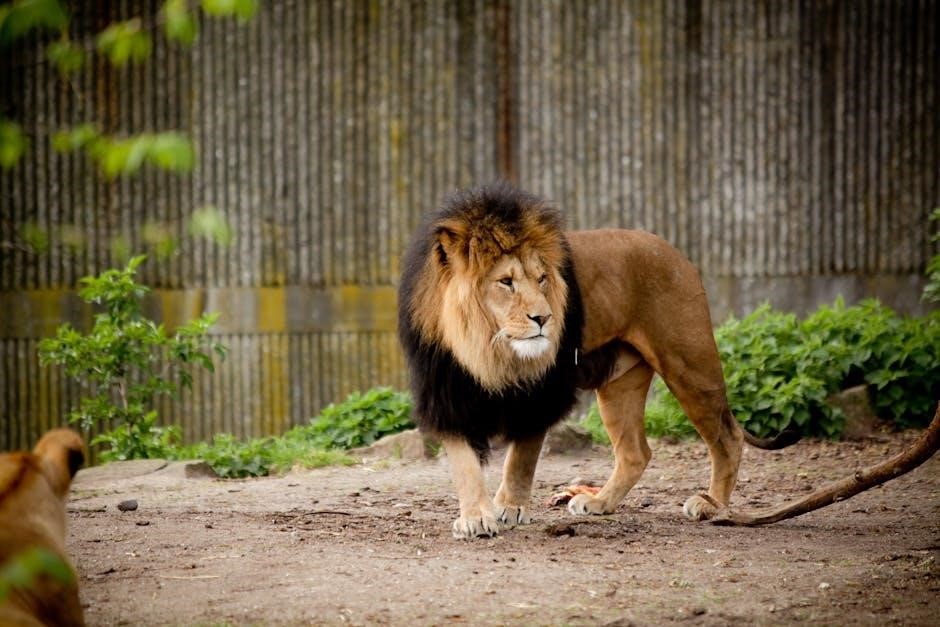
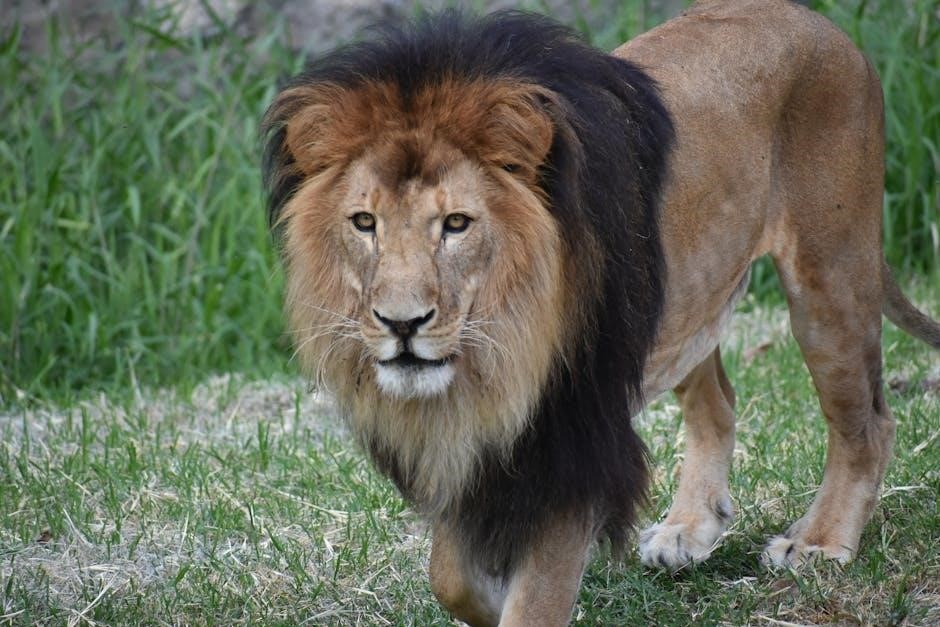
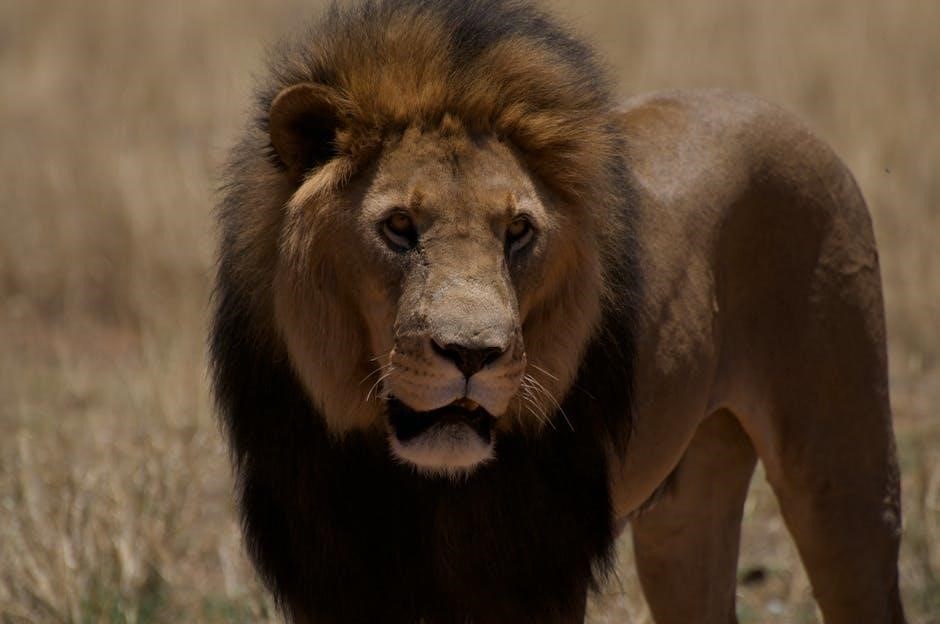
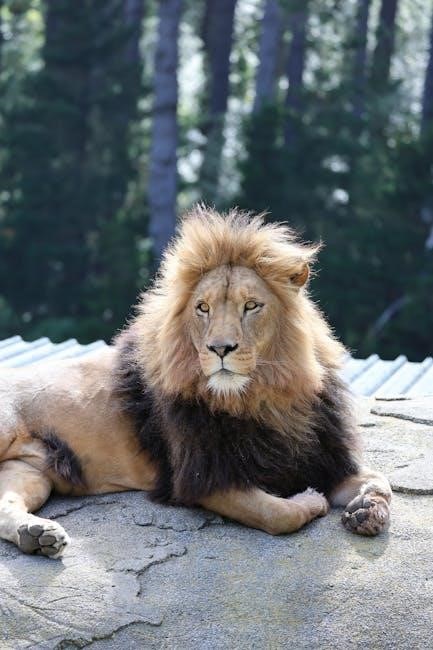
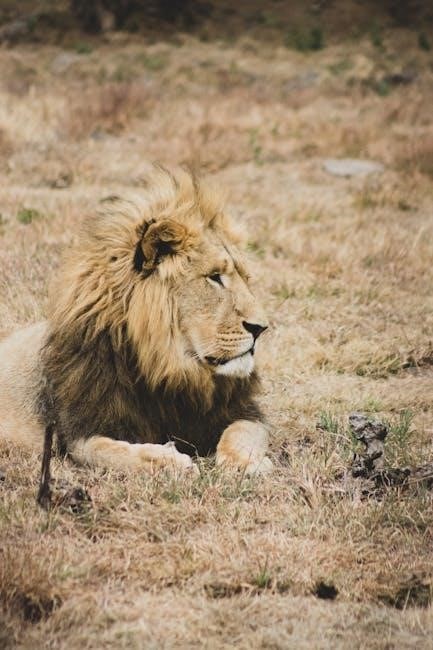
Aslan is the majestic, benevolent creator and ruler of Narnia, embodying goodness, wisdom, and sacrifice. He is a powerful lion whose arrival signals hope and the breaking of the White Witch’s eternal winter. His selflessness and ultimate sacrifice are central to the narrative’s themes.
The White Witch (Jadis) represents pure evil, wielding dark magic and ruling Narnia with an iron fist. She thrives on control and fear, perpetuating a perpetual winter and oppressing the Narnian creatures. Her ambition and cruelty drive the central conflict.
Peter Pevensie, the eldest, emerges as a courageous and responsible leader, eventually becoming High King of Narnia. Susan is practical and skilled with a bow, offering a level-headed perspective. Edmund, initially flawed by selfishness and pride, undergoes a redemptive arc, learning the importance of loyalty and sacrifice.
Lucy Pevensie, the youngest, is the first to discover Narnia and possesses unwavering faith and kindness. She serves as a moral compass for her siblings. Together, the Pevensie children represent courage, faith, and the potential for growth, fulfilling the ancient prophecy and restoring Narnia to its former glory.
The Symbolism of Aslan
Aslan, beyond being a magnificent lion, functions as a profound symbol within The Lion, the Witch and the Wardrobe. He represents divine goodness, sacrifice, and ultimate power, resonating deeply with Christian allegory. His very presence embodies hope and the promise of redemption for Narnia.
The act of Aslan sacrificing himself to save Edmund mirrors the crucifixion of Jesus Christ, highlighting themes of atonement and forgiveness. This sacrifice breaks the White Witch’s power and frees Narnia from eternal winter, symbolizing the triumph of good over evil.
Aslan’s resurrection further reinforces the Christian parallel, representing the promise of new life and the defeat of death. He isn’t merely a powerful creature; he is a force of creation and restoration, bringing order to chaos.
Furthermore, Aslan symbolizes rightful authority and just rule. His return signifies the restoration of Narnia’s true king and the establishment of a benevolent reign. He embodies the idea of a loving, yet powerful, creator who intervenes to save his creation, offering a powerful message of hope and faith.
Reading Experience & Features of the PDF
The PDF version enhances the reading experience with DRM-free access, adjustable fonts for comfortable viewing, and convenient bookmark functionality.
These features allow for easy navigation and personalization.
DRM-Free Accessibility
The availability of The Lion, the Witch and the Wardrobe in a Digital Rights Management (DRM)-free PDF format is a significant advantage for readers. DRM restrictions often limit how a digital book can be used – preventing copying, sharing, or reading on certain devices. However, the PDF versions circulating widely are notably free from these constraints.
This accessibility means readers can enjoy the story on any device capable of opening a PDF, without worrying about compatibility issues or restrictive software. It fosters a spirit of sharing and allows for broader access to C.S. Lewis’s beloved work. Readers can freely copy excerpts for study, share the file with friends and family, or archive it for personal use without violating any digital usage rights.
The DRM-free nature also aligns with the principles of Project Gutenberg, a volunteer effort to digitize and archive cultural works, and reflects a commitment to open access to literature. This freedom empowers readers and promotes the enduring legacy of The Lion, the Witch and the Wardrobe.
Adjustable Fonts and Readability
The PDF format of The Lion, the Witch and the Wardrobe offers a significant advantage in terms of readability, primarily through its adjustable font settings. Unlike fixed-format ebooks, PDF readers allow users to customize the text size and style to suit their individual preferences and visual needs.
This feature is particularly beneficial for readers with visual impairments or those who simply prefer a larger or different font. Adjusting the font size can dramatically improve the reading experience, reducing eye strain and enhancing comprehension. Furthermore, many PDF readers offer options to change the font type, line spacing, and even background color, further tailoring the reading environment.
The ability to personalize the text ensures that The Lion, the Witch and the Wardrobe is accessible and enjoyable for a wider audience, regardless of their reading abilities or preferences. This flexibility contributes to the enduring appeal of the PDF version as a convenient and comfortable way to experience this classic tale.
Bookmark Functionality for Navigation
The PDF version of The Lion, the Witch and the Wardrobe greatly enhances the reading experience through its integrated bookmark functionality. This feature allows readers to easily navigate the lengthy chapters and return to specific passages with remarkable ease, a feature particularly useful in a novel rich with detail and symbolism.
Unlike reading a physical copy where one might use a physical bookmark or rely on memory, the PDF allows for the creation of multiple digital bookmarks. Readers can mark important scenes, character introductions, or passages containing significant themes. This is invaluable for revisiting key moments during analysis or simply for re-enjoying favorite parts of the story.
The bookmark feature transforms the reading process from a linear experience into an interactive one, empowering readers to explore Narnia at their own pace and focus on elements that resonate most with them. It’s a simple yet powerful tool that elevates the PDF version beyond a mere digital replica of the printed book.
Historical Context & Publication
The novel, first published in 1950, emerged post-World War II, influencing its themes. PDF availability stems from digitization efforts like Project Gutenberg, expanding access to Lewis’s work.
C.S. Lewis and the Creation of Narnia
C.S. Lewis, a renowned author, scholar, and theologian, crafted the enchanting world of Narnia, with The Lion, the Witch and the Wardrobe serving as its magnificent introduction. His profound Christian faith deeply influenced the narrative, subtly weaving allegorical elements throughout the story. The genesis of Narnia wasn’t a singular event, but rather a gradual unfolding of ideas, sparked by a simple image – a faun carrying parcels in a snowy wood.
Lewis’s background in mythology and literature played a crucial role in shaping Narnia’s rich tapestry. He skillfully blended elements from various mythologies, folklore, and fairy tales, creating a unique and captivating realm. The PDF versions circulating today allow readers to delve into this meticulously constructed world with ease. The creation wasn’t solely literary; Lewis also served in World War I, experiences that likely informed the themes of sacrifice and redemption present in the book.
He began writing The Lion, the Witch and the Wardrobe during World War II, initially as a way to provide an escape for children experiencing the hardships of wartime. The story’s enduring appeal lies in its ability to resonate with readers of all ages, offering both adventure and profound moral lessons. The accessibility of the PDF format ensures that Lewis’s legacy continues to inspire generations.
First Publication and Early Editions
The Lion, the Witch and the Wardrobe first graced bookshelves in 1950, published by Macmillan in London. Early editions featured illustrations by Pauline Baynes, whose artwork became synonymous with the world of Narnia, significantly enhancing the reading experience. These initial printings are now highly sought after by collectors, representing a tangible piece of literary history.
The book quickly gained popularity, captivating young readers with its fantastical story and memorable characters. Subsequent editions followed, solidifying its place as a children’s classic. The availability of the story in PDF format today allows a wider audience to access these timeless tales, mirroring the initial goal of reaching children during a difficult period.
Project Gutenberg Canada has played a vital role in preserving and distributing a digital version of the text, based on an undated twenty-first printing. This ensures the story remains accessible for free, promoting literacy and a love of reading. The PDF’s DRM-free nature reflects a commitment to open access, allowing readers to enjoy Lewis’s masterpiece without restrictions.
Project Gutenberg and Digital Availability
Project Gutenberg Canada stands as a crucial resource for accessing The Lion, the Witch and the Wardrobe in digital format. Their ebook, identified as Ebook 1152, was meticulously produced by Al Haines, ensuring a faithful reproduction of C.S. Lewis’s original work. This dedication to accuracy allows readers to experience the story as intended, even in its digital form.
The availability of the PDF version through Project Gutenberg is particularly noteworthy, as it champions free distribution. This aligns with the spirit of sharing knowledge and fostering a love of literature. The ebook is explicitly stated as being for free distribution only, emphasizing its commitment to accessibility.
This digital availability extends the reach of Narnia to a global audience, transcending geographical limitations and economic barriers. The PDF format ensures compatibility across various devices, from computers and tablets to smartphones, making it convenient for readers of all ages. It’s a testament to the enduring power of the story and the dedication of those who preserve it.
Themes and Interpretations
The narrative explores universal themes of good versus evil, sacrifice, and redemption, resonating deeply with readers.
Many interpret the story as a Christian allegory, enriching its layers of meaning and enduring appeal.
Good vs. Evil: The Central Conflict
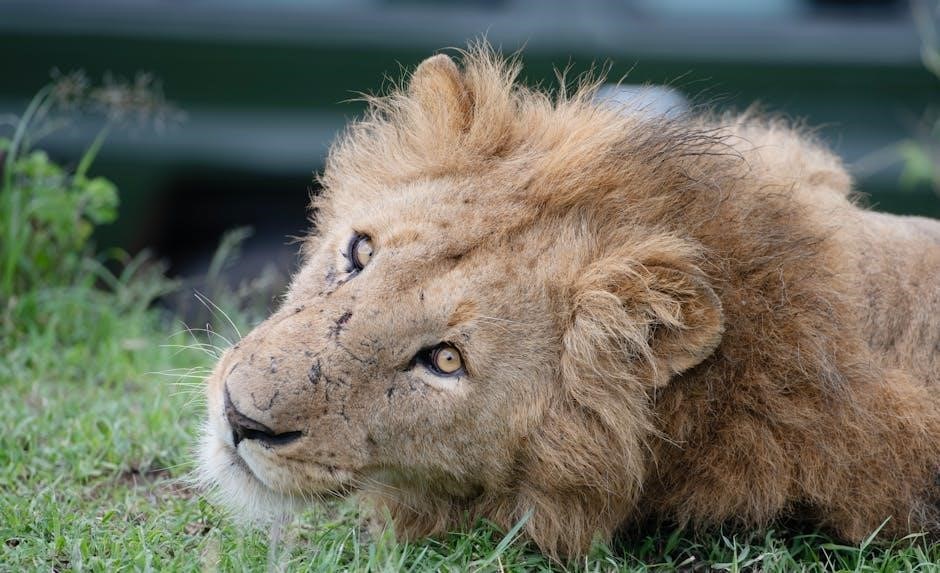
The core of The Lion, the Witch and the Wardrobe revolves around the epic struggle between good and evil, vividly portrayed through the conflict between Aslan and the White Witch. The White Witch, representing darkness and oppression, has cast a perpetual winter over Narnia, ruling with an iron fist and suppressing all joy and freedom. Her power stems from ancient magic and a deep-seated malice, holding the land and its creatures captive in fear.
Conversely, Aslan embodies goodness, justice, and selfless love. He is the rightful king of Narnia, a majestic and powerful lion whose arrival signals hope and the promise of liberation. The conflict isn’t simply a battle of power, but a clash of fundamental principles – tyranny versus freedom, despair versus hope, and selfishness versus sacrifice.
This struggle is mirrored in the choices made by the Pevensie children. Edmund’s initial betrayal, swayed by the Witch’s deceptive promises, highlights the vulnerability to evil, while the others’ unwavering loyalty to Aslan demonstrates the strength of goodness. The ultimate resolution, involving Aslan’s sacrifice and resurrection, powerfully illustrates the triumph of good over evil, and the enduring power of love and redemption in the face of darkness.
Christian Allegory in the Narrative
The Lion, the Witch and the Wardrobe is widely recognized for its profound Christian allegory, deeply woven into the fabric of the narrative. C.S. Lewis, a devout Christian, intentionally imbued the story with symbolic representations of core theological concepts. Aslan, the magnificent lion, is often seen as a Christ figure – his creation of Narnia mirroring God’s creation, his sacrifice on the Stone Table paralleling the crucifixion, and his resurrection symbolizing the triumph over death.
The White Witch embodies the forces of evil and temptation, akin to Satan, while Edmund’s betrayal and subsequent redemption reflect the fall and redemption of humanity through Christ. The breaking of the Witch’s wand signifies the defeat of sin and evil.
Furthermore, the concept of sacrifice for the greater good, central to Aslan’s actions, echoes the Christian belief in sacrificial love. While Lewis maintained the story could be enjoyed without recognizing these allegorical layers, the Christian themes undeniably enrich the narrative, offering a powerful and accessible exploration of faith, forgiveness, and the ultimate victory of good.
The Power of Sacrifice and Redemption
The Lion, the Witch and the Wardrobe powerfully illustrates the transformative power of sacrifice and the possibility of redemption, even after profound failings. Aslan’s voluntary offer to sacrifice himself on the Stone Table to save Edmund, who betrayed his siblings, is the story’s emotional and thematic core. This act isn’t merely a rescue; it’s a demonstration of selfless love and a fulfillment of an ancient, deeper magic.
Edmund’s journey embodies the theme of redemption. Initially driven by selfish desires and succumbing to the White Witch’s temptations, he experiences remorse and ultimately seeks forgiveness. Aslan’s acceptance of his repentance and subsequent restoration highlight the possibility of grace and second chances.
The narrative suggests that true freedom and renewal come through acknowledging wrongdoing and embracing sacrifice – both giving and receiving it. This resonates deeply within the PDF version, offering readers a timeless message about the enduring strength of forgiveness and the potential for positive change.